Search
 
 
Home swamiji Ebooks Articles Multimedia Uploads Catalogue Sitemap Contact


Ebook
 
Commentary on the Katha Upanishad

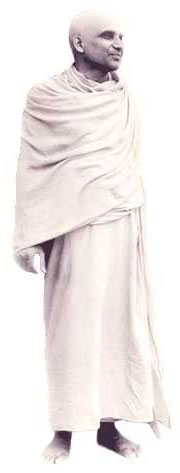
by Swami Krishnananda
The Divine Life Society - Sivananda Ashram, Rishikesh, India


1
1
Translation of the Verses by Swami Sivananda
Chapter 2 - Section 3: The Tree of Life

The World-Tree Rooted in Brahman

6-1 ῡrdhva-mῡlo’vᾱk-śᾱkha eṣo’śvatthas sanᾱtanaḥ, tad eva śukraṁ tad brahma, tad evᾱmṛtam ucyate. tasmin lokᾱḥ śritᾱḥ sarve tad u nᾱtyeti kaś cana: etad vai tat.   Yama: There is that ancient Asvattha tree whose root is upwards and branches are down. That indeed is pure. That is Brahman and that alone is called Immortal. Upon that all the worlds depend and no one goes beyond that. This is verily That.

The Great Fear

6-2 yad idaṁ kiñ ca jagat sarvam prᾱṇa ejati niḥsṛtam, mahad bhayaṁ vajram udyatam, ya etad vidur amṛtᾱs te bhavanti.   Yama: This whole universe evolved from Brahman, moves in the Prana (in the highest Brahman). That Brahman is a great terror, like an uplifted thunderbolt. Those who know this become immortal.

6-3 bhayᾱd asyᾱgnis tapati, bhayᾱt tapati sῡryaḥ: bhayᾱd indraś ca vᾱyuś ca, mṛtyur dhᾱvati pañcamaḥ.   Yama: From fear of Brahman fire burns, from fear the sun shines, from fear Indra and Vayu and Death, the fifth, run.

Perception of the Self

6-4 iha ced aśakad boddhum prᾱk śarīrasya visrasaḥ, tataḥ sargeṣu lokeṣu śarīratvᾱya kalpate.   Yama: If here (in this life) one is able to comprehend Him (Brahman) before the death of the body, he will be liberated from the bondage of the world; if one is not able to comprehend Him, then he has to take a body again in the worlds of creation.

6-5 yathᾱdarśe tathᾱtmani, yathᾱ svapne tathᾱ pitṛ-loke, yathᾱpsu parīva dadṛśe, tathᾱ gandharva-loka chᾱyᾱ-tapayor iva brahma-loke.   Yama: As in a mirror, so (Brahman can be clearly seen) here within one’s self, as in dreams, so in the world of the forefathers; as in water, so in the world of Gandharvas; as in light and shade, so in the world of Brahman.

6-6 indriyᾱṇᾱm pṛthag-bhᾱvam udayᾱstamayau ca yat, pṛthag utpadyamᾱnᾱnam matvᾱ dhīro na śocati.   Yama: A wise man, having understood that the senses separately produced are distinct from the Atman and also their rising and setting, grieves no more.

6-7 indriyebhyaḥ param mano manasas sattvam uttamam, sattvᾱd adhi mahᾱn ᾱtmᾱ, mahato’vyaktam uttamam.   Yama: Beyond the senses is the mind, higher than the mind is the intellect, higher than the intellect is the great Atman, higher than the Mahat is Avyaktam (the unmanifested).

6-8 avyaktᾱt tu paraḥ puruso vyᾱpako’liṅga eva ca, yaṁ jñᾱtvᾱ mucyate jantur amṛtatvaṁ ca gacchati.  

Yama: Beyond the Avyakta is Purusha, all-pervading and devoid of Linga (indicative sign). He who knows Him is liberated and obtains Immortality.

6-9 na saṁdṛśe tiṣṭhati rῡpam asya, na cakṣuṣᾱ paśyati kaścanainam: hṛdᾱ maṇīṣᾱ manasᾱbhikḷpto ya etad vidur amṛtᾱs te bhavanti.   Yama: His form is not to be seen. No one beholds Him with the eye. By controlling the mind by the intellect and by incessant meditation He is revealed. Those who know this (Brahman) become immortal.

6-10 yadᾱ pañcᾱvatiṣṭhante jñᾱnᾱni manasᾱ saha, buddhiś ca na viceṣṭati, tᾱm ᾱhuḥ paramᾱṃ gatim.  

Yama: When the five organs of knowledge are at rest together with the mind, and when the intellect ceases functioning (becomes calm), that they call the highest state.

6-11 tᾱm yogam iti manyante sthirᾱm indriya-dhᾱraṇᾱm, apramattas tadᾱ bhavati, yogo hi prabhavᾱpyayau.   Yama: The firm control of the senses, they regard as Yoga. At that time one gets careful, for, Yoga is acquired and lost.

The Self as Existent

6-12 naiva vᾱcᾱ na manasᾱ prᾱptuṁ śakyo na cakṣuṣᾱ, astīti bruvato’nyatra kathaṁ tad upalabhyate.   Yama: The Self cannot be reached by speech, by mind or by the eye. How can it be realised otherwise than from those who say, ‘He is?’

6-13 astīty evopalabdhavyas tattva-bhᾱvena cobhayoḥ, astīty evopalabdhavyas tattva-bhᾱvaḥ prasīdati.   Yama: He should be known to exist and also as He really is. Of these two, to him who knows Him to exist, His true nature becomes manifest.

6-14 yadᾱ sarve pramucyante kᾱmᾱ ye’sya hṛdi śritᾱḥ, atha martyo’mṛto bhavaty atra brahma samaśnute.   Yama: When all desires that dwell in the heart of one cease, then the mortal becomes immortal and here attains Brahman.

6-15 yadᾱ sarve prabhidyante hṛdayasyeha granthayaḥ, atha martyo’mṛto bhavaty etᾱvad anuśᾱsanam.   Yama: When all the knots of the heart are severed here on earth, then the mortal becomes immortal, so far is the instruction (of all Vedanta).

6-16 śataṁ caikᾱ ca hṛdayasya nᾱḍyas tᾱsᾱm mῡrdhᾱnam abhiniḥsṛtaikᾱ: tayordhvam ᾱyann amṛtatvam eti, viṣvaṅṅ anyᾱ utkramaṇe bhavanti.  

Yama: There are hundred and one nerves of the heart. One of them (Sushumna) penetrates the crown of the head, moving upwards by it one (at the time of death) attaining immortality, the other nerves are of various course.

6-17 aṅgusṭhamᾱtraḥ puruṣo’ntarᾱtmᾱ sadᾱ janᾱnᾱm hṛdaye sanniviṣṭaḥ taṁ svᾱc charīrᾱt pravṛhen muñjᾱd iveṣīkᾱṁ dhairyeṇa: taṁ vidyᾱc chukram amṛtaṁ taṁ vidyᾱc chukram amṛtaṁ iti.   Yama: The Purusha of the size of a thumb, the inner Self, is always seated in the heart of all living beings; one should draw him out from one’s own body with steadiness, as one draws the pith (stalk) from a reed; one should know him as pure and immortal; one should know him as pure and immortal.

6-18 mṛtyu-protᾱṁ naciketo’tha labdhvᾱ vidyᾱm etᾱm yogavidhiṁ ca kṛtsnam, brahmaprᾱpto virajo ‘bhῡd vimṛtyur anyopy evam yo vid adhyᾱtmam eva.   Yama: Nachiketas then having acquired this knowledge imparted by Yama, and also the whole teaching about Yoga, attained Brahman, having become free from all impurities and death. Thus it will be with another also, who thus knows the nature of the Atman.

Shanti Mantra

aum sahanᾱvavatu, saha nau bhunaktu, saha vīryam karavᾱvahai,
tejasvinavadhītamastu, mᾱ vidvisᾱvahai,
aum śāntih. śāntih. śāntih.

This Santi Mantra is an expiatory prayer. It is intended to remove all faults incurred by the disciple and preceptor in the course of receiving and imparting knowledge respectively and caused by abandoning of rules due to oversight or excitement. In order to ward off all evils the word Santih, Peace, is repeated three times. Om Peace! Peace! Peace!

  1
 
  Catalogue Search Site Map Contact
  Design by Savitr as a Love Offering